
SUCCESS STORIES
Building CostLoop: helping small teams take control before the next renewal
Milosh Mladenovski on the subscription problem behind CostLoop, choosing simplicity over enterprise complexity, and learning that a launch is only the beginning.

“Keeping CostLoop simple instead of trying to compete with enterprise SaaS management platforms.”
Milosh Mladenovski
The story
A small subscription rarely feels like a big decision. The problem arrives later, when nobody remembers who bought it, whether the team still uses it, or when it renews.
Milosh Mladenovski built CostLoop around that gap: helping smaller businesses see their recurring software costs without adopting an enterprise procurement system. This founder story explores the product decisions behind that focus, the difference between polishing and validating, and why finding the right audience matters after launch.
The interview
What made this problem worth building a product around?
The recurring problem was a lack of visibility. Tools were purchased when somebody needed them, but the costs outlived the project or the person who chose them. Renewal dates, documents and cancellation details ended up in different places. CostLoop brings those details into one usable view.
Who did you decide to build for?
Freelancers, startups and smaller businesses that need a clearer software inventory but do not have a procurement department. The aim is not to reproduce an enterprise platform in a smaller interface. It is to give people a practical way to see their subscriptions and manage the next renewal.
What should someone get out of their first session?
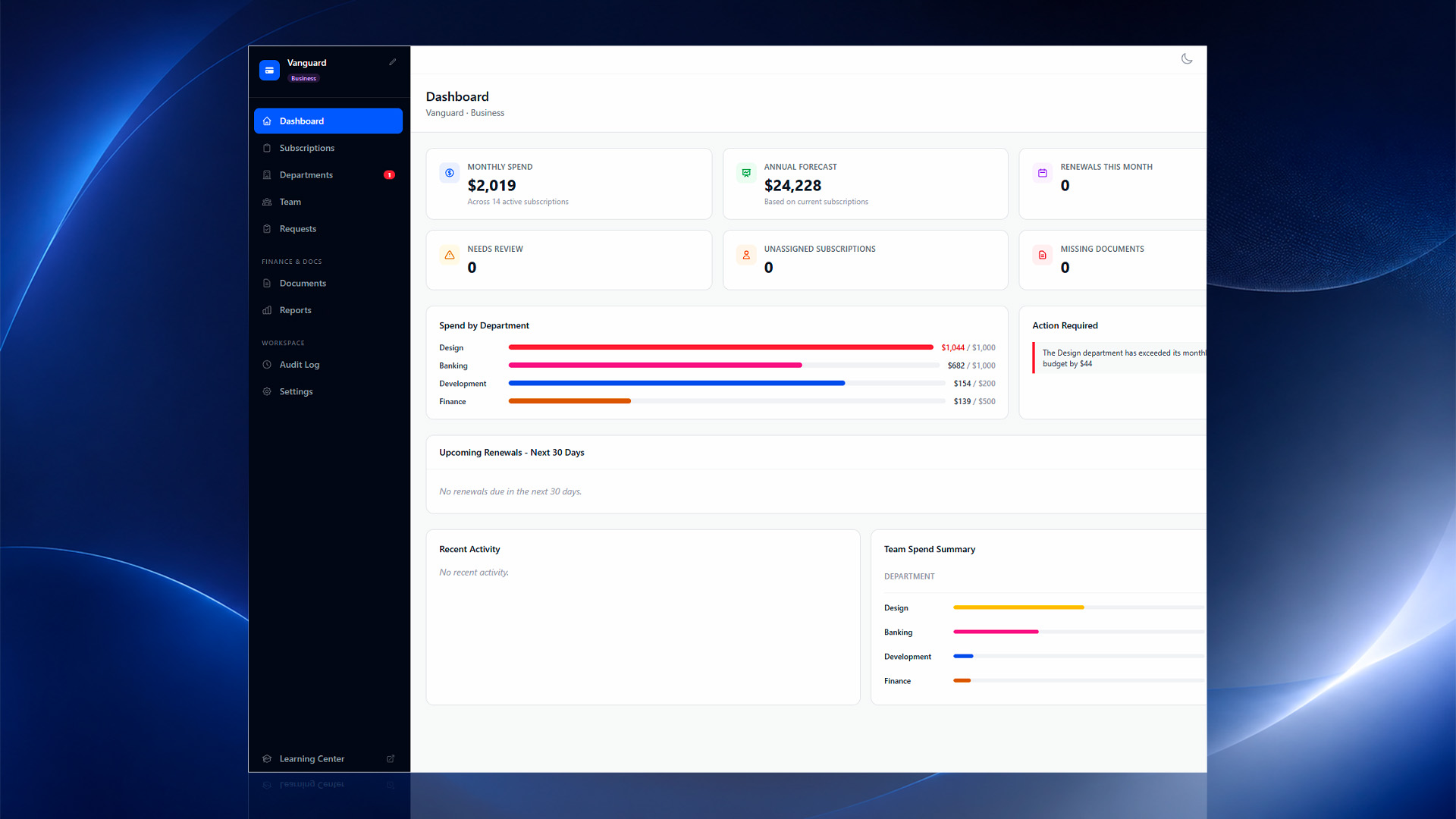
A clearer picture of what they are paying for and what needs attention next. They can add subscriptions manually, review entries found through the optional email scanner, or import a statement CSV. The dashboard then brings recurring costs and upcoming renewals together. People review detected entries before saving them.
What was the hardest lesson while building the first version?
I put too much effort into polishing before validating. Some interface details felt important while I was building, but early user conversations kept pointing back to the basics: subscriptions, renewal dates and costs. That helped me put the core job ahead of secondary workflows.
How do you decide which features deserve a place?
The starting point is whether a feature makes the recurring-cost picture easier to understand or act on. Renewal reminders, stored invoices and cancellation details support that job. More functionality is not automatically a better experience; the product still needs to make sense to someone opening it for the first time.
How did you find the first paying customers?
In my earlier founder interview, I described using several channels, including social media, search visibility and AppSumo. AppSumo brought the first real revenue at that stage. The lesson was to separate awareness from purchase intent, and to keep working on distribution instead of expecting launch day to do all the work.
What does keeping the product simple mean in practice?
Users do not need to connect a bank account to begin. Manual entry remains an option, alongside reviewed imports. That creates a useful starting point without requiring a complex setup. The product is focused on understanding recurring software costs rather than replacing accounting, corporate cards or every finance workflow.
What would you change about the way you approached launch?
I would treat reaching the right people as an ongoing part of building the product. Getting a site online is a milestone, but it does not mean the right customers will immediately discover it. The work continues through useful content, relevant communities, product listings and conversations with potential users.
What should another founder take away from the CostLoop story?
A useful product can start with a narrow, repeatable problem. For CostLoop, that is knowing which subscriptions exist and having time to make a decision before renewal. Keep that core outcome visible, listen for recurring user problems, and be willing to simplify the product when the extra complexity is not helping.